
Loading the tracker…
85% of the farmland that feeds the UK, here and overseas, is used for animal products. The Tracker follows the formal decisions — what Parliament voted for, what departments published, and what councils committed to — and scores the gap between words and action.
Source: de Ruiter et al. (2017)Councils
69 of 229 councils have a decision on file.
The record, right now
Local councils — each share is of the 229 we track.
Top actions by council support
National bodies — each share is of the 15 we track, from Parliament to individual government departments.
Top actions by public pressure
One record, four levels of government
How it works
Parliament, government departments, the devolved governments of Scotland, Wales and Northern Ireland, and local councils. Every formal decision in one public record, scored the same way.
We compare what a body says in public with what it has formally voted for. Then we show whether its position is getting firmer or slipping.
Each verdict links to the minute, vote or published document behind it, and to the exact words we drew it from. We assert nothing we cannot show you.
Why it matters
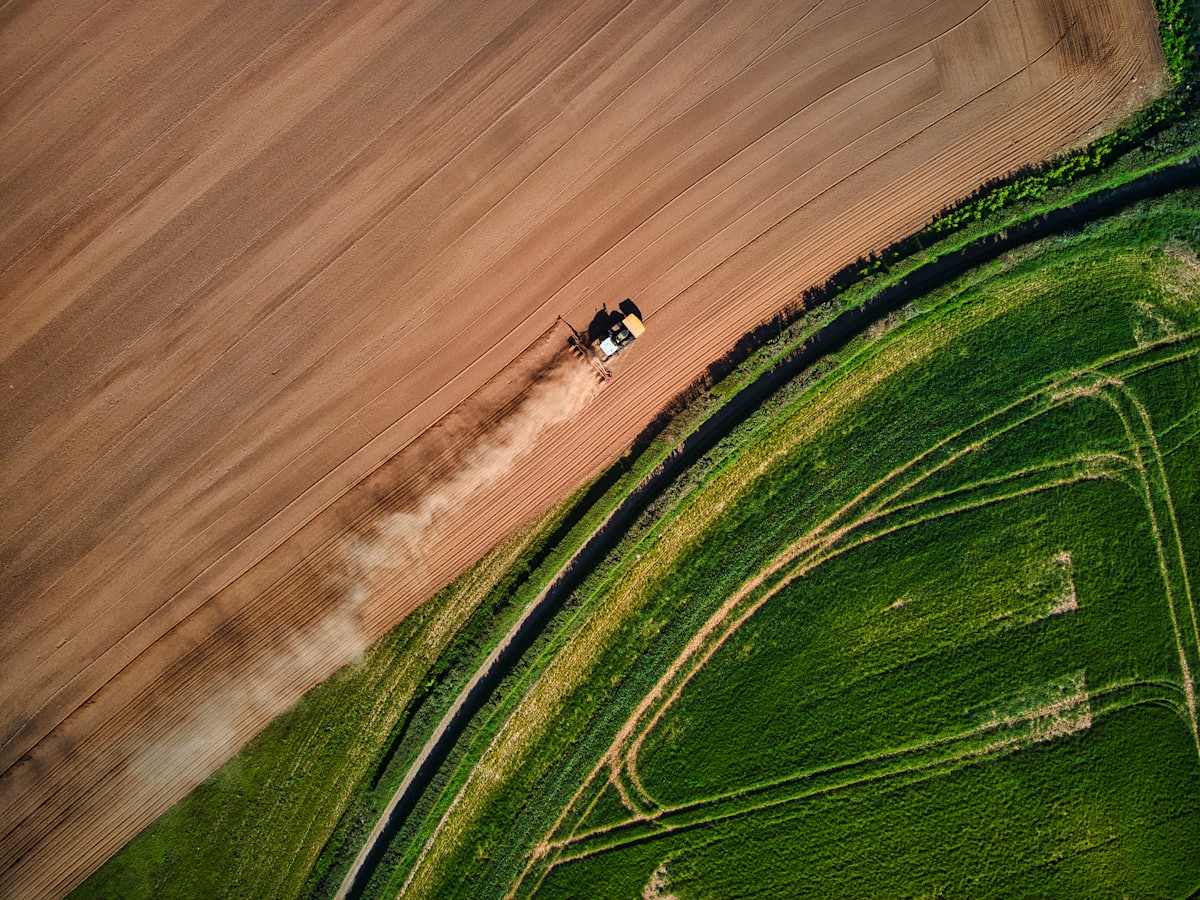
The UK cannot feed itself on its current diet. Most of our farmland is given to livestock and animal feed — not food for people — and the government’s own evidence says that has to change.
Suppose the goal is fair access to food, in a world of climate disruption, collapsing ecosystems and unreliable trade. Then the UK should adopt a Plant Based for All strategy, built on a plant-based diet publicly guaranteed to everyone as a baseline. That means growing food for people on land now given to animal feed, and growing far more grains, legumes, potatoes, vegetables and fruit here at home.
The evidence
Each one is drawn from peer-reviewed research. Tap a pillar to read it, and follow any source to the paper itself. 7 papers sit behind this section.
Related project
Care about how the food system treats animals? EthicsMap lets anyone weigh in on animal-welfare issues through a quick anonymous survey, then maps that public opinion to turn everyday voices into political pressure that lawmakers cannot ignore.
Visit EthicsMapCouncils, campaigners and researchers use the Tracker to see what has really been decided. Tell us what you need.
Get in touchCreate a free account to follow the councils and national bodies you care about, and watch the record change each time we publish new data.
Sign up free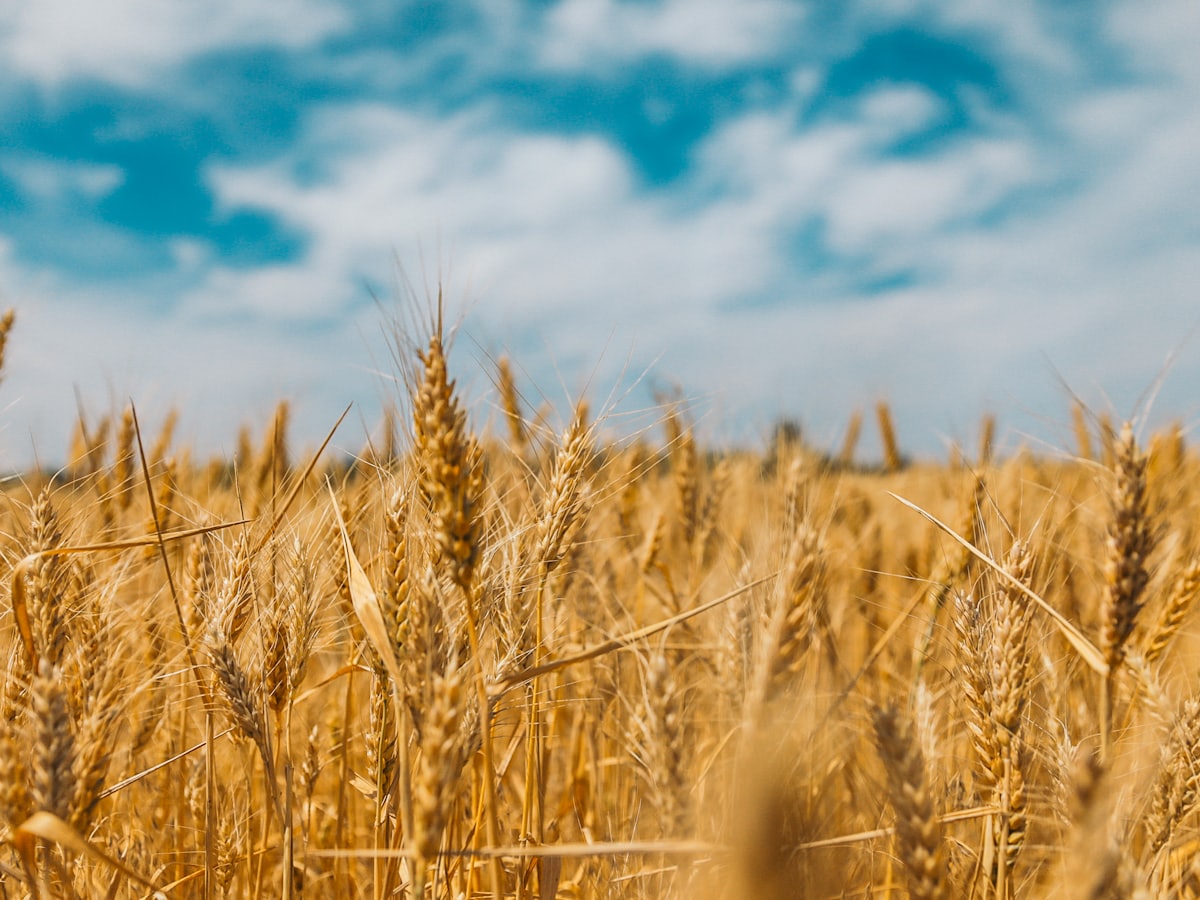 Food Security
Industrial animal agriculture causes a significant diversion of productive cropland to feed animals at an inefficient 10–15% caloric conversion rate, resulting in a substantial loss of land that could be used to produce food for human consumption. This diversion has severe implications for Food Security, as it means that the same amount of land planted with crops could feed 5–10 times more people. A plant-based transition would simultaneously free up this land for rewilding and restore its capacity for resilience, achieving a significant reduction in greenhouse gas emissions and land use. By shifting away from omnivorous diets towards plant-based patterns, we can reduce the opportunity food loss of 96% associated with animal agriculture, allowing more people to access nutritious food. This transition would also result in substantial reductions in acidification and eutrophication, such as a decrease of ~10.4 billion metric tons of CO eq per year.
 Climate Resilience
Industrial animal agriculture causes significant climate instability through methane emissions from livestock, nitrous oxide emissions from feed-crop fertilization, and large-scale land clearing for grazing and soy. If this continues, the consequences will be devastating, with global temperatures projected to rise by 0.526°C and potentially catastrophic feedback loops triggered. In contrast, transitioning towards plant-based food systems can achieve substantial reductions in greenhouse gas emissions, including a decrease of 7% in acidification and eutrophication, equivalent to a reduction of ~10.4 billion metric tons of CO2-equivalent per year. Furthermore, studies have shown that adopting plant-based dietary patterns can lead to significant decreases in GHG emissions and land use, with all models showing a decrease in these metrics as we move away from omnivorous towards plant-based diets.
 Equity & Access
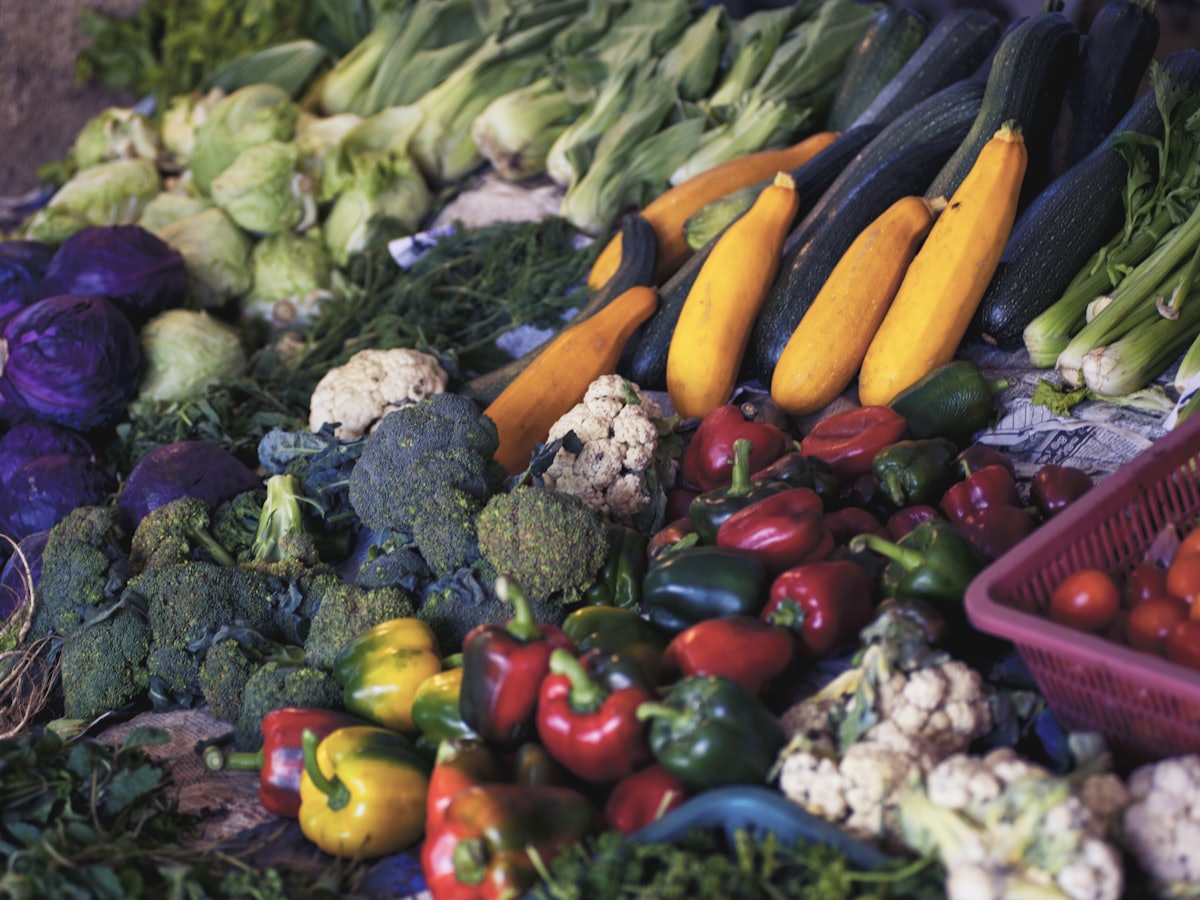
Industrial animal agriculture causes inequitable food systems by converting land that could grow affordable food directly for people into feed for animals, concentrating agricultural land and driving up food costs. This concentration of land and resources disproportionately affects lower-income communities, exacerbating existing health disparities and limiting access to nutritious food. A transition towards plant-based food systems can mitigate these harms, achieving a 100% decrease in greenhouse gas emissions and land use as we move from omnivorous to plant-based dietary patterns. By adopting rooftop farming and regenerative agriculture practices, we can reduce carbon emissions, enhance air quality, and meet the growing global food demand while ending world hunger. This shift towards plant-based systems can also achieve significant reductions in acidification and eutrophication, with a 7% reduction in CO2 equivalent emissions per year, ultimately promoting more equitable access to healthy and sustainable food for all.
 Biodiversity & Nature Recovery
Industrial animal agriculture causes biodiversity collapse through deforestation for soy feed crops and cattle ranching, resulting in the conversion of 55% of land to croplands, pastures, and rangelands, leaving only 45% for natural ecosystems. This loss of biodiversity is a direct consequence of agricultural expansion, which is dominated by feed crops such as soy, maize, and pasture. If left unchecked, this trend will continue to threaten ecosystem services, including carbon sequestration and acidification reductions, with plant-based diets offering a critical opportunity for mitigation, achieving 7% of previous CO2-equivalent emissions reductions through regrowing vegetation and a decrease in GHG emissions and land use as we move towards plant-based dietary patterns. A transition to plant-based food systems can also facilitate rewilding efforts by freeing land previously dedicated to animal agriculture, restoring habitats and recovering species richness, ultimately reinforcing biodiversity recovery and food security through a synergistic relationship between the two.

The response
2 of the 10 departments we track have something on record about the plant-based transition. The rest have said nothing we could find.
Despite acknowledging various aspects of plant-based food transition across multiple departments, the UK government's overall posture remains largely silent on this critical issue. Notably, HM Treasury and several devolved governments remain silent, while some departments, such as Defra, have taken a more proactive stance with 9 tracked actions. This inconsistency highlights gaps in coordination and prioritization, particularly when considering the interconnected challenges of climate stability, land use, biodiversity loss, and equitable access to nutrition. The UK government's inaction on this matter reinforces the urgent need for collective action to address the biosphere→society nexus.
Silent — nothing found in their published record